Mon-Sat, 8.00-18.00. Sunday CLOSED
The Benefits of Blended Learning in Accounting Education
Mar 18, 2026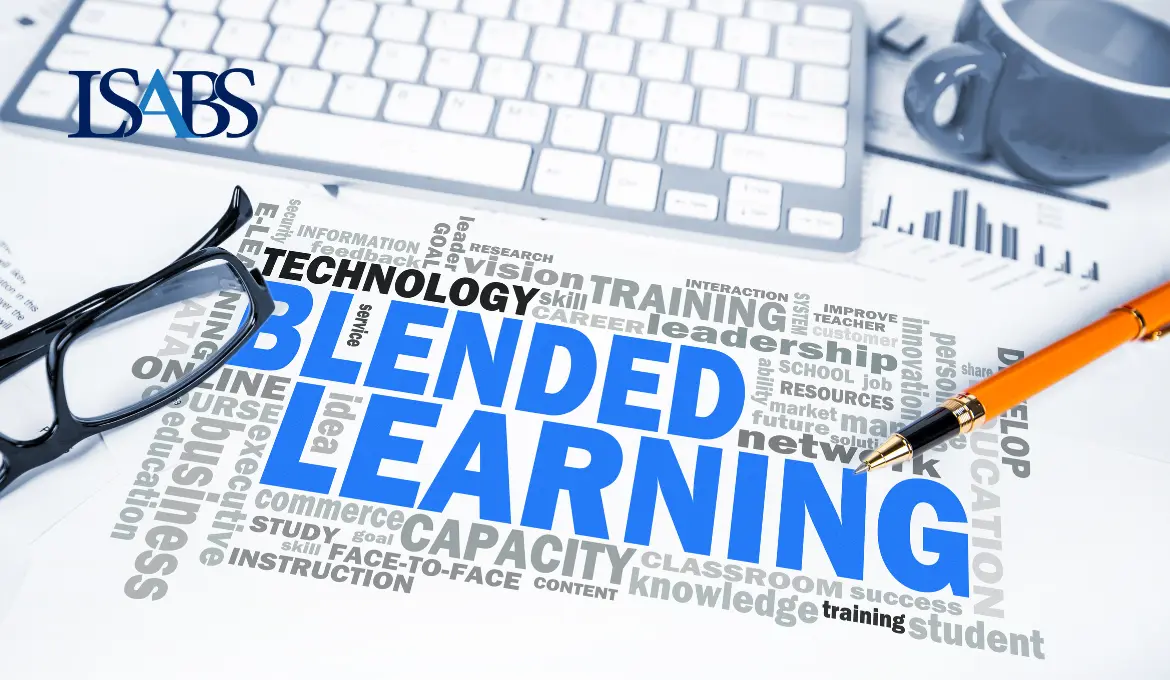
Blended learning has emerged as a transformative approach in accounting education, seamlessly combining traditional classroom instruction with digital tools. This innovative method offers a host of advantages, making it an increasingly popular choice among students and educators alike.
One of the primary benefits of blended learning is its flexibility. Accounting students often juggle complex coursework with internships or part-time roles. By integrating online modules, learners can access lectures, tutorials, and resources at their convenience, enabling them to balance their academic and professional commitments effectively.
Moreover, blended learning fosters personalised learning experiences. Online platforms allow educators to track students’ progress and tailor content to address individual strengths and weaknesses. This adaptability ensures that learners grasp challenging accounting concepts, such as financial modelling or tax regulations, at their own pace.
Interactive features such as webinars, discussion forums, and collaborative projects enhance engagement. These tools encourage active participation, allowing students to apply theoretical knowledge to real-world scenarios. For instance, virtual simulations can replicate audit processes, offering invaluable hands-on experience.
Blended learning also prepares future accountants for a tech-driven profession. Exposure to digital platforms mirrors the technology used in modern accounting practices, equipping students with essential skills for the workplace.
As the demand for highly skilled accountants grows, blended learning proves to be a forward-thinking solution. By combining the best of traditional and digital education, this approach not only enhances knowledge retention but also develops versatile professionals ready to excel in a dynamic field.